
They’re wrong.
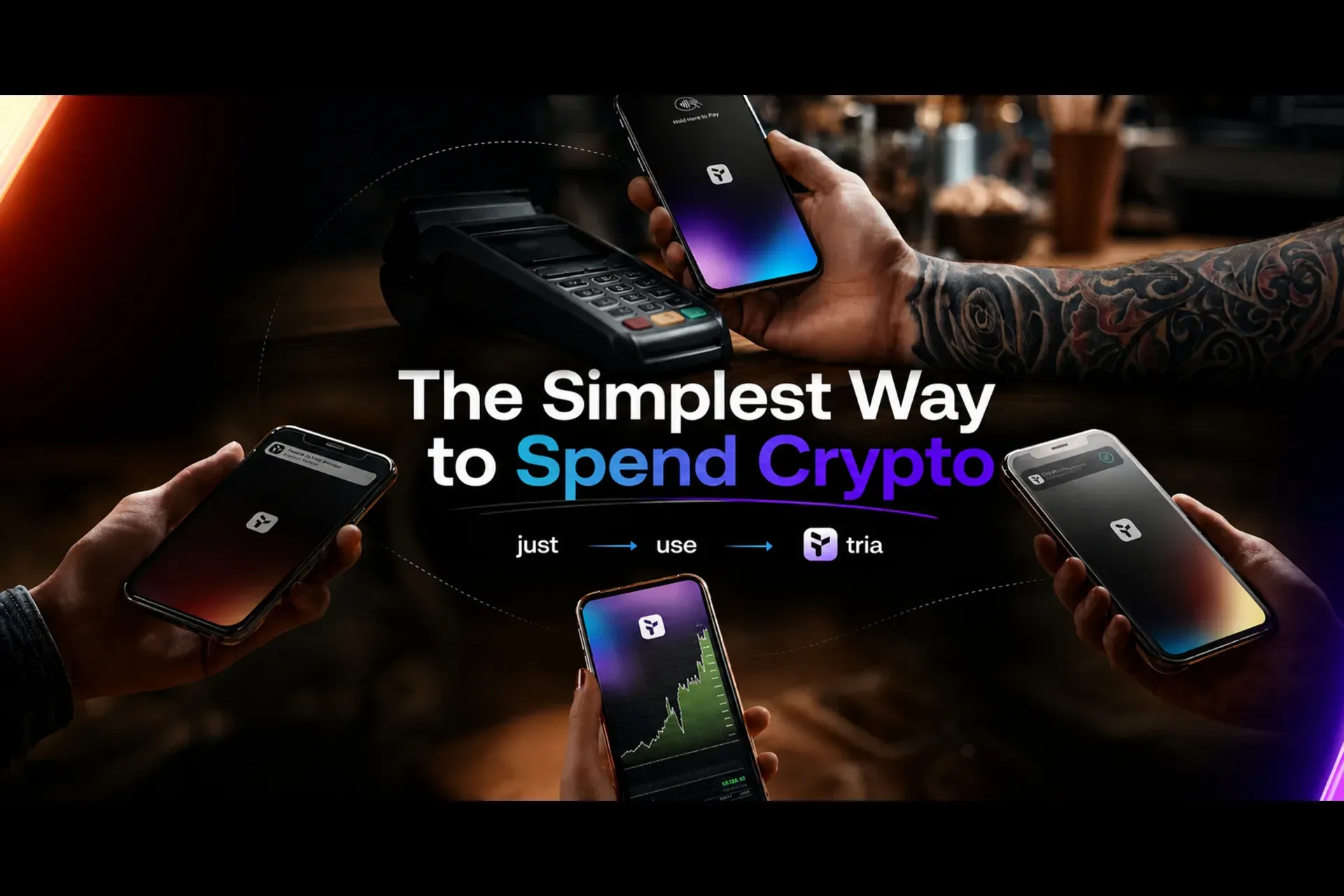
In 2026, you can walk into a coffee shop, tap your phone, and pay with Bitcoin. The barista won’t even know.
Merchants still don’t accept crypto directly. Your local café hasn’t set up a Bitcoin node. Amazon isn’t holding an ETH wallet. Yet millions of people spend crypto at these exact places every single day.
One thin layer of technology sits between your wallet and the payment terminal. It translates crypto into dollars in the half-second it takes you to tap.
That’s the whole trick.
What "Spend Crypto Anywhere" Actually Means
Spending crypto anywhere means using your digital assets to pay at any merchant that accepts Visa or Mastercard.
Not just crypto-friendly merchants. Everywhere. Grocery stores. Gas stations. Airlines. Netflix. ATMs.
It runs on one tool. A crypto card linked to your wallet.
When you tap to pay, the card provider instantly converts your crypto into local currency. The merchant gets paid in fiat. You see your crypto balance drop. Nobody needs to learn anything new.
That’s the whole game.
How Crypto Cards Work
Every crypto purchase follows the same flow:
- You tap, swipe, or click "pay"
- Visa or Mastercard pings the card issuer
- The issuer checks your linked crypto balance
- A conversion rate gets locked the instant you tap
- The merchant gets paid in fiat within 1-3 business days
- Your crypto gets debited at the locked rate
No waiting. No manual conversion. No explaining blockchain to the cashier.
The crypto part is invisible.
The 3 Types of Crypto Cards
Pick the wrong model and you’ll lose money to fees, taxes, or a frozen account.
Prepaid Cards. Sell crypto in the app. Fiat loads onto the card. Simple, but your money sits idle.
Auto-Convert Custodial Cards. Your crypto stays on an exchange. The card sells just enough at the moment of tap. Convenient, but the exchange holds your keys.
Non-Custodial Cards. Your crypto never leaves your wallet. You hold the private keys. No platform can freeze your funds. Built for anyone who remembers FTX.
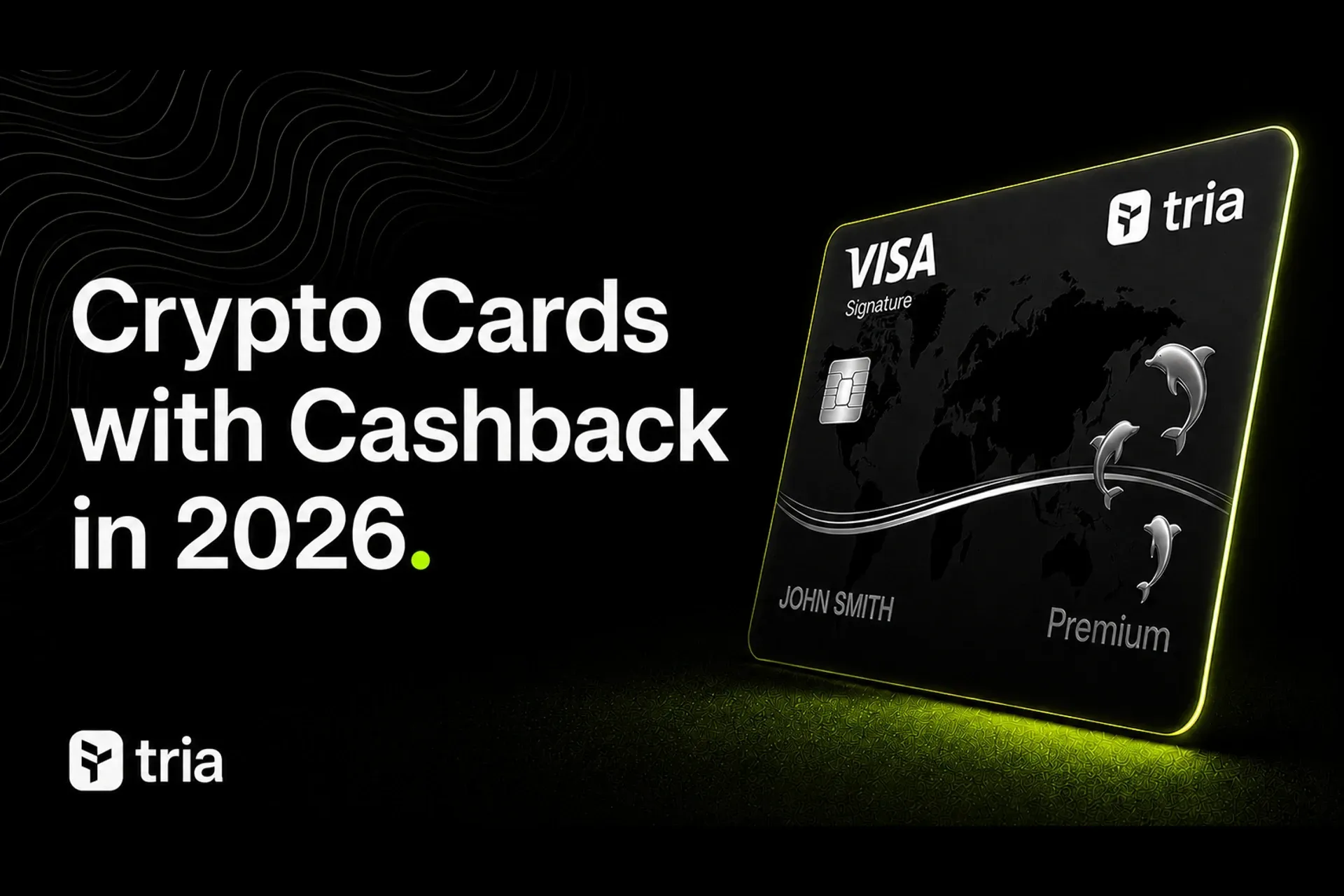
The Tria Card sits in the third category. Funds stay in your self-custodial wallet until the exact moment you spend. No middleman. Just your keys, your crypto, and a Visa card that works in 150+ countries across 130M+ merchants.
The Stablecoin Spending Strategy (Nobody Talks About This)
Experienced crypto spenders don’t spend Bitcoin.
They hold BTC and ETH as investments. Then they keep a separate balance in USDC or USDT for daily spending.
Two reasons.
Volatility. Selling Bitcoin at breakfast and watching it pump by lunch hurts. Stablecoins remove that pain.
Taxes. In most countries, selling BTC for a burger creates a taxable event. Every. Single. Time. Spending a dollar-pegged stablecoin usually doesn’t.
Keep long-term holdings in BTC and ETH. Keep spending money in stablecoins. Pick a card that lets you choose which asset gets drawn first.
Tria takes this further. The Tria Card supports 1,000+ tokens across chains. Spend ETH at lunch. Swap to USDC for groceries. Top up directly from self-custodied Bitcoin without touching an exchange. One card. Every asset.
The Rewards Play
Most crypto cards pay better than traditional cards. Standard range: 1% to 8% cashback, usually paid in crypto.
A few live options in 2026:
- Tria Card: Up to 8% cashback. 0% FX fees. Non-custodial. 1,000+ tokens. 150+ countries.
- Crypto.com Visa: Up to 5% cashback, requires CRO staking.
- Wirex Card: Up to 8% cashback, locked behind paid tiers.
- Coinbase Card: Zero fees on USDC. US-focused.
- MetaMask Card: Non-custodial. Limited token support. Gas fees on top-ups.
The best crypto card depends on where you live, how much you spend, and whether you care about self-custody.
Don’t chase the highest advertised cashback. Pick the card whose fine print matches how you actually spend.
Hidden Costs to Watch
Every "zero fee" card has fees. They’re just hiding.
- FX spreads: 0.5% to 3% on foreign currency spending.
- ATM caps: Free up to a limit, then fees kick in.
- Gas fees: On most non-custodial cards, loading funds on-chain costs gas. Tria solves this with gasless top-ups through its AI routing engine.
- Conversion spreads: The card’s rate isn’t the exact market rate. The difference is the provider’s cut.
Read the fee schedule. Always.
How to Actually Do This
- Get a Visa or Mastercard-backed crypto card.
- Pick non-custodial over custodial. Your keys, your money.
- Spend stablecoins, hold BTC and ETH.
- Read the full fee schedule before applying.
- Match the card to your region.
Spending crypto in 2026 isn’t complicated. The tech is solved.
The Tria Card closes the last gap between holding crypto and living on it. The wallet stays on your phone. Acceptance is global. You can spend across 1,000+ tokens with gasless top-ups and cashback that actually works.
Tap, pay, done.
The crypto part is just an implementation detail.
Get your Tria Card and swipe BTC for sushi or USDC for groceries — anything for anything.